
Homeward House Program Toolkit
Section 1: Making the Case
Together, these modules make the case for keeping families together: the harm separation causes, the barriers that stand in the way, and the evidence that the Homeward House approach works. We start with the broad picture and end with what it all means in your own community.


Module 1: The Harm and Cost of Family Separation
The first step in adopting the Homeward House model isn’t just understanding what it is; it’s understanding why it matters — and what it could mean for your community.
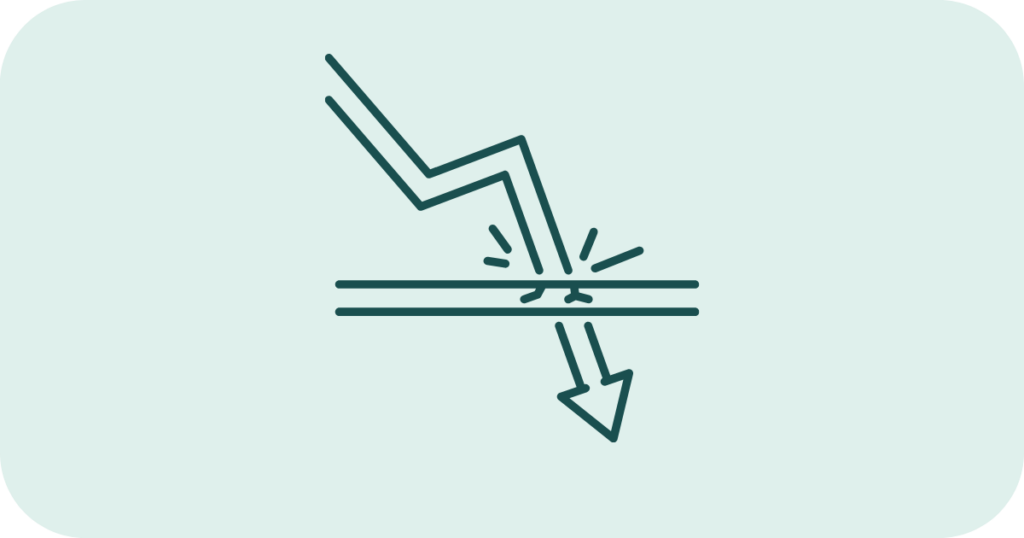
Module 2: Falling Through the Cracks: How Families Get Left Behind
Families don’t fall through the cracks by accident. Systems shaped by racial inequity and chronic underinvestment leave them behind. This module explores how — and why — that happens.

Module 3: Transforming Stigma into Support
One of the barriers introduced in Module 2 — stigma — deserves a closer look. Stigma reaches the families Homeward House serves from every direction — including from people who genuinely want to help.

Module 4: What We Can Do: The Homeward House Model
Understanding the gaps is only the beginning. This module explores what communities can do to prevent unnecessary family separation — and how the Homeward House model brings those solutions together.

Module 5: What the Data Shows
Over seven years, more than 340 families — representing more than 1,000 lives — chose to receive judgment-free support from Parent Ally Mentors, with wraparound support from community partners. The outcomes are impressive and ready to share and build upon.

Module 6: The Case for Investment
Communicating the problem Homeward House addresses, its social return on investment, and a practical path to implementation is essential. This module provides the tools to make that case, including an investment proposal that you can adapt for your own community.